Case Study // Table Wine by Clos du Val
Over the past eight months, Gabriel & Company had the opportunity to develop a new-to-world brand from the ground up alongside the team at Clos du Val. These are our favorite kinds of projects, and they're also the ones that don't come around often. A healthy, mid-sized family winery might launch one or two new brands in a generation. When the timing is right and the conditions are there, it has to be done properly.
Read along if you're considering working with us and want to understand how we think and work. Read along if you're a winery sitting on an idea you haven't been able to bring to life yet. Or read along if you're simply curious what it takes to build a wine brand the right way. Either way, we're glad you're here.
Every great brand starts with a real problem worth solving.
Clos du Val had an opportunity in their existing vineyard program and a contract market in flux. They also had something more interesting: a 50-year-old Napa legacy and a next generation of ownership with a clear point of view on how wine should fit into modern life. The harder question was how to bring it to life. Building a new wine brand from scratch requires a specific kind of focus, and a winery team running at full capacity rarely has it to spare.
That's where Gabriel & Company came in.
The Brief
Gabriel & Company was engaged by Clos du Val's leadership team to solve a strategic challenge: how do you bring new consumers into a storied Napa wine brand without diluting what makes it great? And how do you turn an existing opportunity into a timeless brand with real market traction?
Finding the Idea
Clos du Val knew they had beautiful fruit and a winemaking team capable of producing something fresh and lighter than their classic offerings. What they needed was a brand strategy framework: a new consumer, a defined occasion set, and a reason to exist in a crowded market.
We started where we always start: with people. Who was this wine for? What moments would it live in? What was already competing for that space? We mapped the consumer, defined the occasion set, and identified the white space where a fresh, food-forward, chillable red could exist without competing with the core Clos du Val portfolio.
When third-generation owner Helen Goelet stepped forward as the face of the brand, everything clicked. A trained chef, a natural host, someone who had spent her life at tables where wine was always present but never the point. The strategy had a soul, the brand had a voice, and we helped shape it into a world.
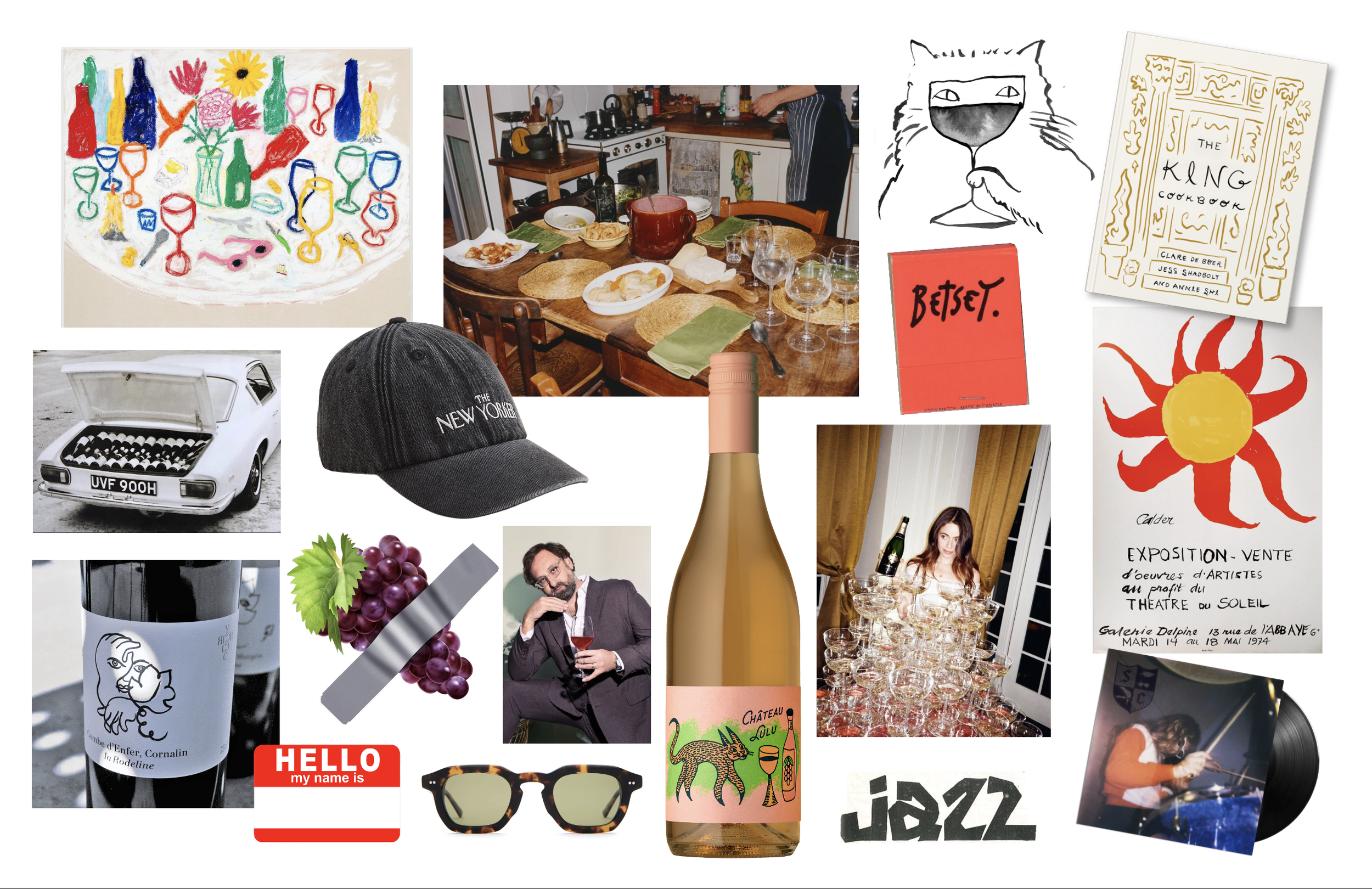
Table Wine by Clos du Val Mood Board
Building the Brand
With the positioning defined, we led the brand identity development from the ground up, in collaboration with our creative network. We brought in creative design partners who developed the illustration style, logo, fonts, colors, and ultimately the full packaging and visual identity for Table Wine.
We connected the team with a photographer and a culinary supper club partner to anchor the brand in the food and chef community, and produced the shoot to bring the brand to life.
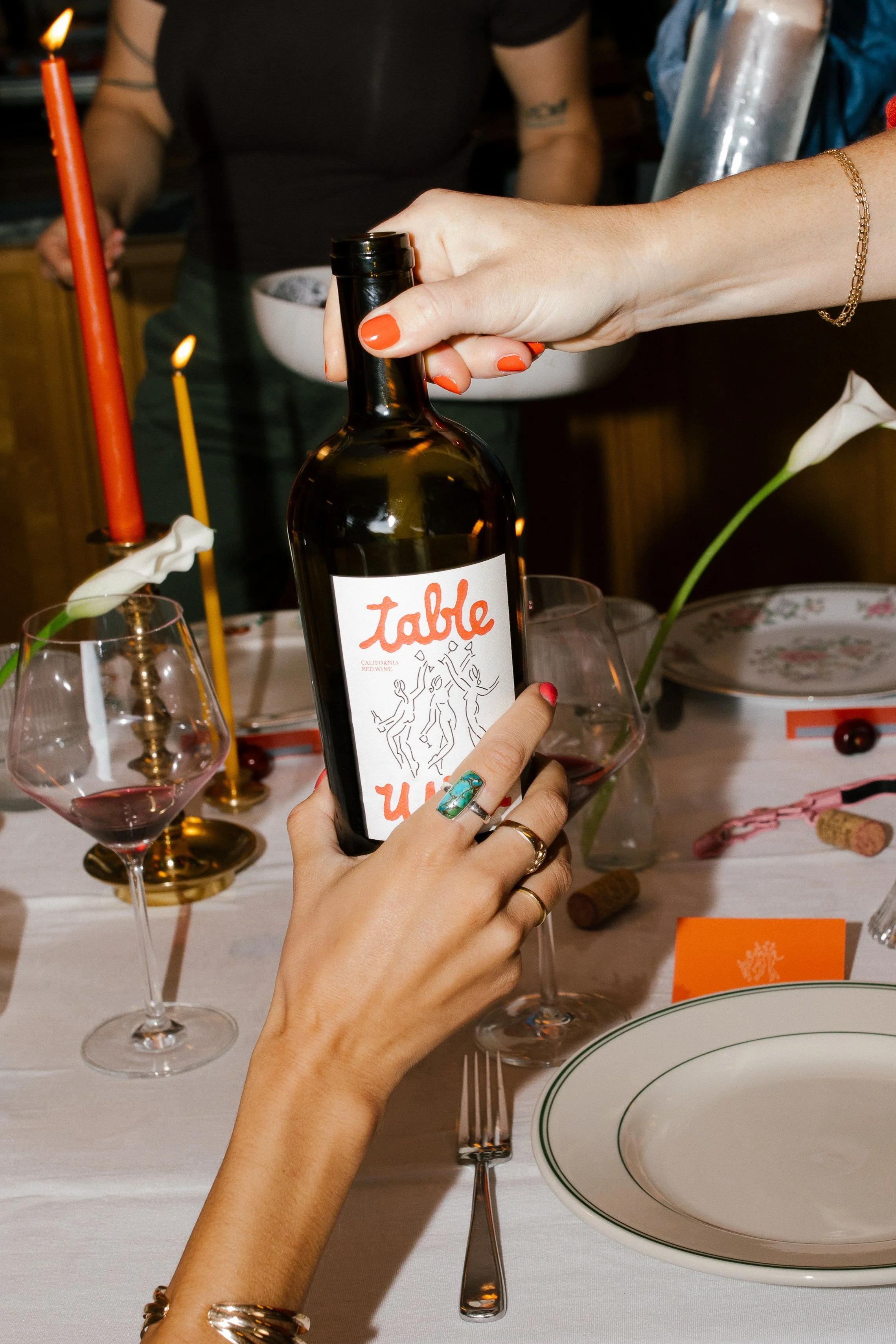
Photo by Sarah Davis
Taking It to Market
With the brand world established, we built the launch plan: collaborating with the Clos du Val team to align on sales channels, priority markets, and a marketing strategy designed to build awareness organically through the right people in the right places.
We developed the influencer and ambassador strategy, targeting chefs, hosts, and food-forward creators already living in the world Table Wine was made for. We built the full social media marketing framework across Instagram and TikTok, including voice and tone guidelines, content pillars, and a launch calendar. The launch event was a sold-out long table supper in the Clos du Val Olive Grove in partnership with our local supper club partners and set the tone for everything that followed. Table Wine launched direct-to-consumer and in select markets in June 2026.
Built to Last
The goal was never to become a permanent fixture, but to build something Clos du Val could own completely.
Over eight months, we worked as an extension of their team while building the infrastructure for a brand that could grow without us. The strategy, the voice guidelines, the content systems, the partner relationships, the templates and creative frameworks, all of it designed to be handed off and executed confidently for years to come.
We can only be as effective as the partnership allows. What made this project work wasn't just the strategy or the creative. It was Clos du Val's willingness to show up fully: to invest in the right partners, commit to proper asset creation, and trust the process even when it required patience. Good brand work is a two-way street. The best outcomes happen when clients are engaged, decisive, and willing to resource the work the right way, even when scrappy.
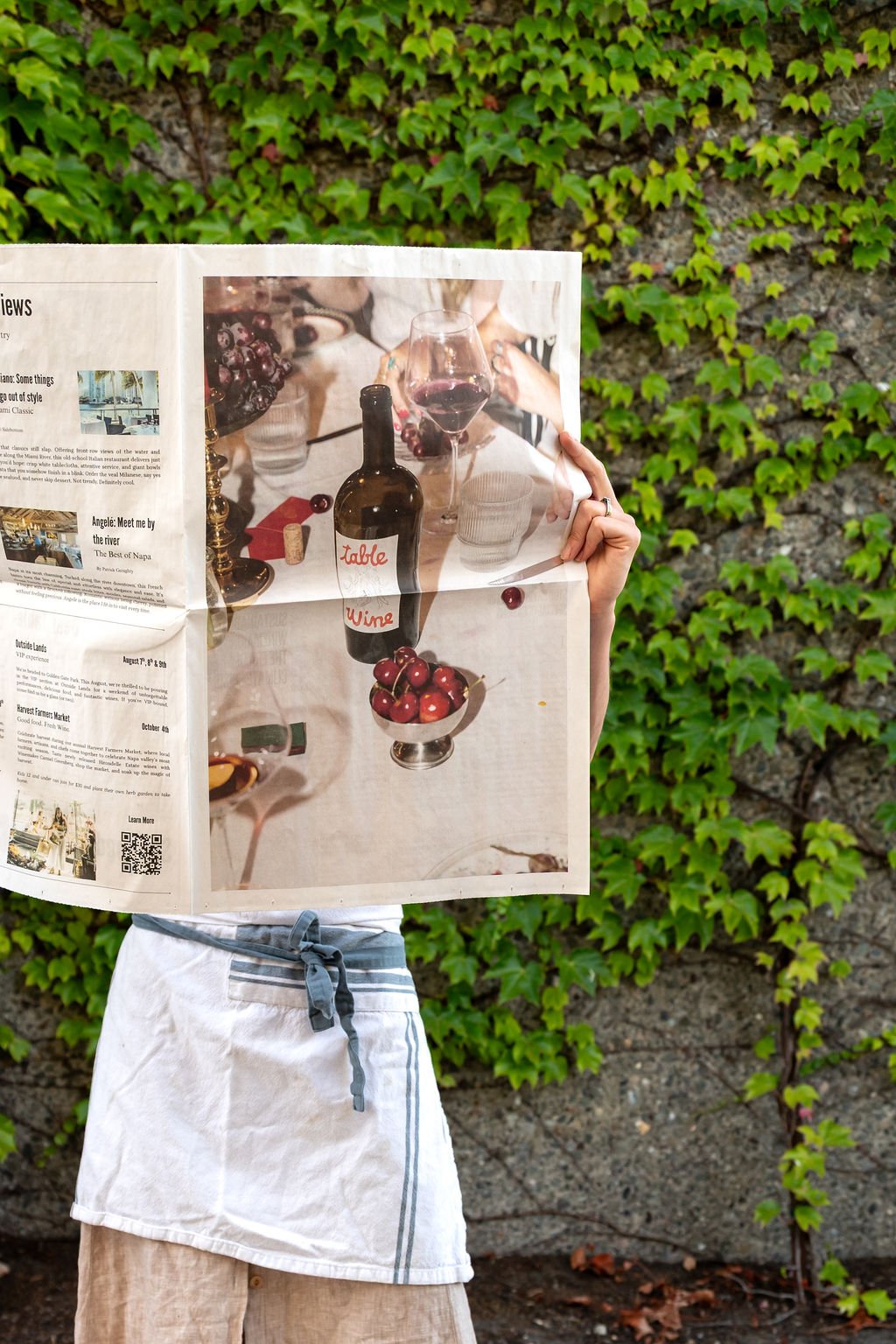
The Table Wine Times. Photo by Luke Schumacher
Are you thinking About a Portfolio Extension? Ask Yourself These Questions First.
Launching a new brand or sub-brand is one of the most exciting things a legacy brand can do. It's also one of the easiest ways to stretch a team too thin or dilute a brand you've spent decades building. Before you begin, ask yourself these questions:
Is your master brand healthy? A portfolio extension should build on a strong foundation, not paper over a weak one. If your core brand has unresolved positioning or pricing challenges, solve those first. (We’ve seen this go wrong many times, and it’s never pretty).
Is there a real market need? Not just a supply-side reason to make the wine, but a genuine white space where a new consumer or occasion is underserved?
Do you have the budget to do it right? Scrappy is fine, but underfunded is not. Great brand work doesn't have to be expensive, but it does require real investment in design, photography, and launch execution. A half-built brand is harder to recover from than no brand at all.
Do you have the internal bandwidth to support it? Even with outside help, a new brand needs a champion inside the organization. Someone who can make decisions, move quickly, and bring the rest of the team along.
Is there someone who can be the authentic face of it? The brands that break through have a human at the center. Not a mascot or a concept. A real person with a real point of view who genuinely lives in the world the brand is trying to reach.
If you can answer yes to most of these, you're ready to build something. If you're not sure, that's what we're here to help you figure out.